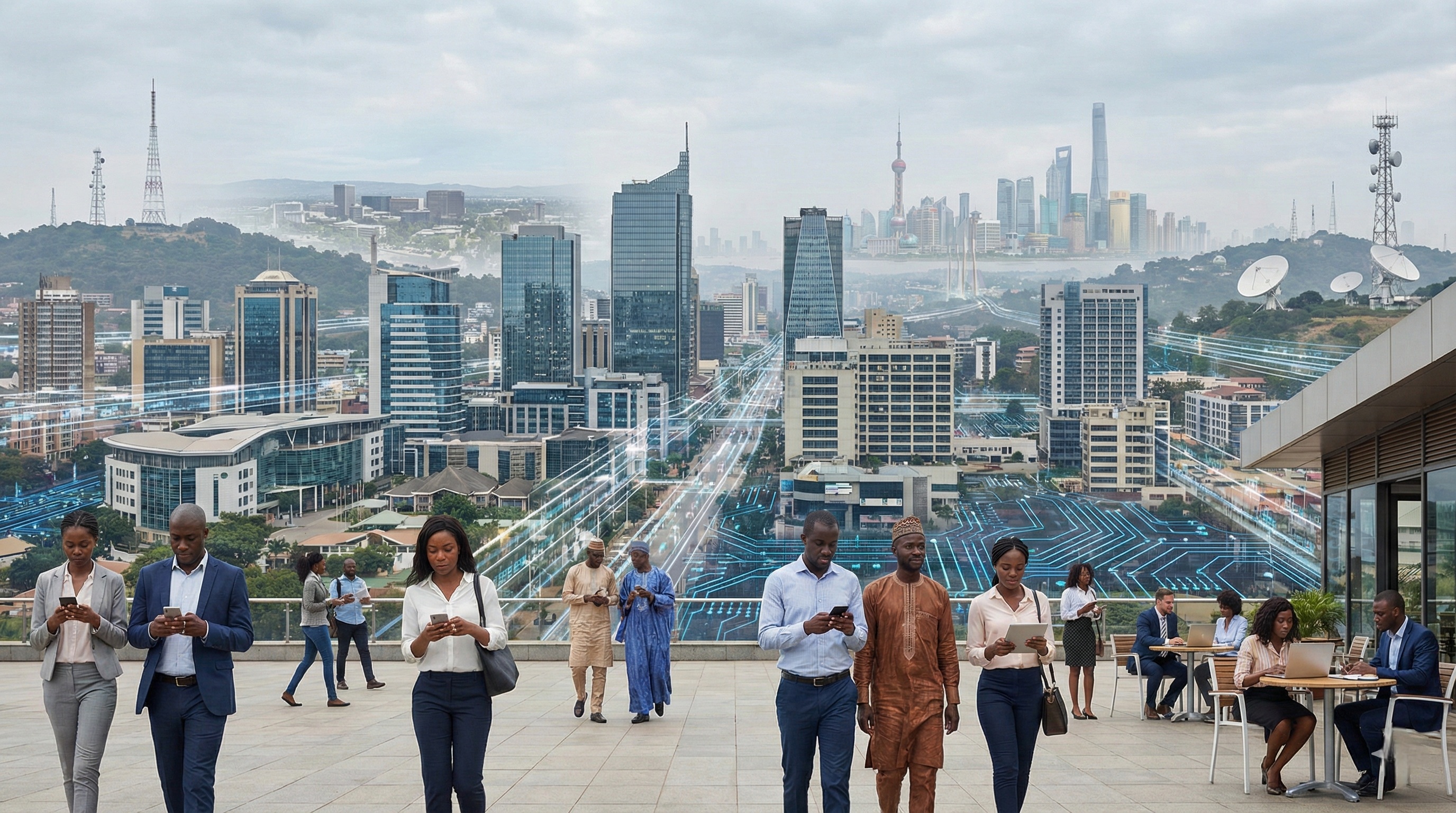

Technology continues to redefine how societies function, economies grow, and governments interact with citizens. From artificial intelligence and digital finance to cybersecurity and connectivity, recent technological developments are not only changing daily life but also reshaping power dynamics across Africa and the wider world. As innovation accelerates, the gap between opportunity and risk becomes increasingly narrow.
Africa’s Digital Momentum
Across Africa, technology has moved from being a supporting tool to a central driver of development. Mobile technology remains the backbone of this transformation. With millions of people accessing the internet primarily through smartphones, digital services have become deeply embedded in commerce, education, and governance.
Fintech is one of the most visible success stories. Digital payment platforms and mobile banking have expanded financial access to populations historically excluded from traditional banking systems. Small businesses, traders, and rural communities now participate more actively in local and regional economies through digital transactions.
At the same time, African governments are investing in digital infrastructure, data centers, and e-government platforms. These initiatives aim to improve service delivery, reduce corruption, and strengthen state capacity. Countries such as Kenya, Rwanda, Nigeria, and Egypt are positioning themselves as regional technology hubs, attracting startups and international investment. However, challenges remain. Limited broadband access, high data costs, and inconsistent electricity supply still slow progress in many regions. Addressing these structural barriers will determine whether Africa’s digital growth is inclusive or uneven.
Artificial Intelligence and Automation
Globally, artificial intelligence (AI) has moved from experimentation to widespread application. AI systems are now used in healthcare diagnostics, financial forecasting, logistics, customer service, and security. While these technologies improve efficiency, they also raise serious questions about employment, ethics, and data ownership.
For African economies, AI presents both opportunity and concern. On one hand, automation can increase productivity and improve public services. On the other, it risks displacing low-skill jobs in sectors such as manufacturing and administration. Without adequate education and reskilling programs, technological progress could deepen social inequality. Internationally, competition over AI leadership has become a strategic issue. Major powers are investing heavily in research, talent, and semiconductor production, viewing technological dominance as essential to economic and national security.
Cybersecurity and Digital Sovereignty
As societies become more connected, cybersecurity has emerged as a critical issue. Governments, financial institutions, and individuals face growing threats from cybercrime, data breaches, and digital espionage.
African institutions are increasingly targeted due to weaker security systems and rapid digital expansion. This has pushed governments to develop cybersecurity strategies, establish national computer emergency response teams, and strengthen legal frameworks.
Globally, debates over digital sovereignty are intensifying. Countries are seeking greater control over data storage, digital platforms, and critical infrastructure. These discussions reflect concerns about privacy, foreign influence, and economic dependence on global tech giants.
Technology and Global Power Shifts
Technology is no longer neutral. Control over digital infrastructure, platforms, and standards is becoming a form of geopolitical influence. Competition over 5G networks, satellite internet, and cloud services illustrates how technology intersects with diplomacy and global power.
For Africa, navigating these dynamics requires strategic balance. Partnerships with global technology providers bring investment and expertise, but they also raise concerns about dependency and data control. Policymakers must ensure that technology agreements align with long-term national interests.
The Road Ahead
The future of technology in Africa and the world will be shaped by policy choices made today. Investment in education, digital literacy, and innovation ecosystems is essential. Equally important is the development of ethical and legal frameworks that protect citizens while encouraging progress.
Technology alone will not solve social and economic challenges, but when guided by inclusive policies and strong institutions, it can become a powerful tool for growth and stability. As innovation continues to accelerate, the central question is not whether societies will adopt new technologies, but how wisely they will use them.