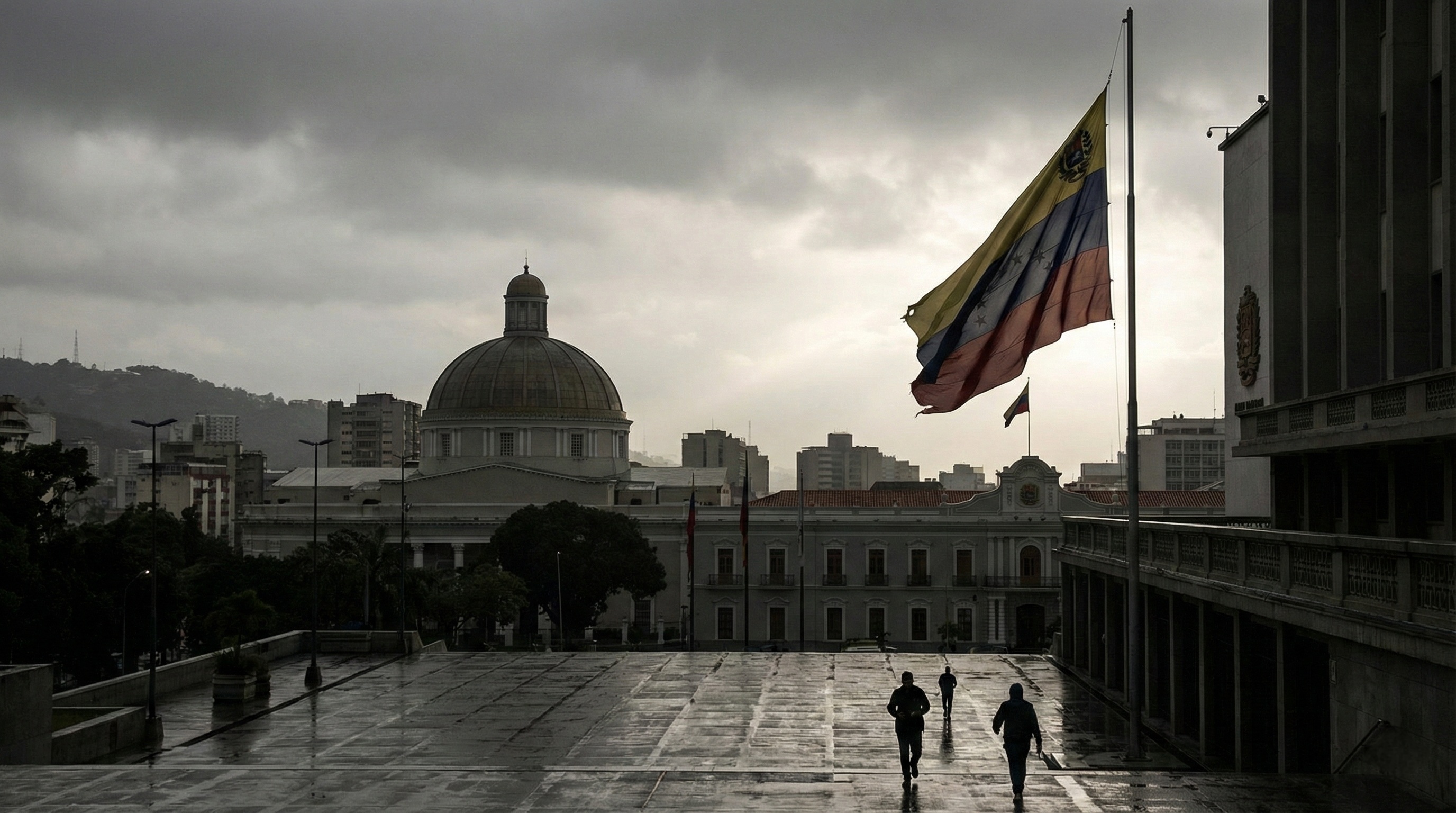

Settling into 2026, it is evident that the post-Cold War framework is no longer merely strained, but fundamentally broken. The global system is undergoing a decisive realignment, moving away from normative, values-driven diplomacy toward a starkly transactional form of geopolitics. Whether in the shifting alliances of the Sahel or the power corridors of the great powers, the defining theme of this year is undeniable: the triumph of pragmatism over ideology.
For observers of international relations, the current landscape offers a complex paradox. While economic integration narratives—like the African Continental Free Trade Area (AfCFTA)—are stronger than ever, the political reality on the ground is increasingly fragmented, defined by democratic backsliding and the violent re-drawing of spheres of influence.
Africa: The Tension Between Integration and Instability
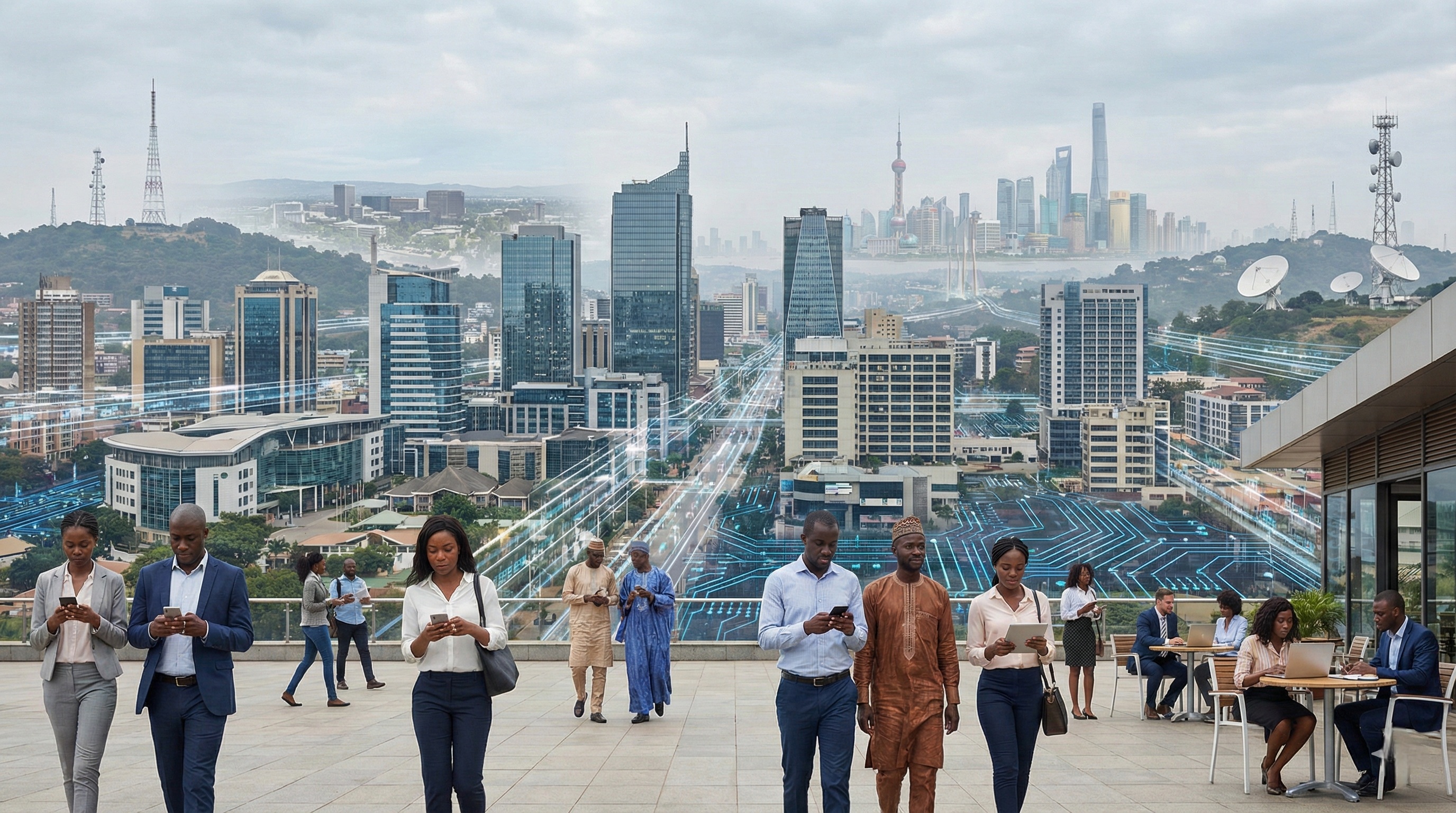
The African continent in early 2026 is a study in contrasts. On one hand, the bureaucratic machinery of the African Union is pushing ahead with the AfCFTA, particularly with the recent ratification of digital trade protocols by key heavyweights like Nigeria.
However, the political map tells a more volatile story. The "Democratic Recession" that began in the early 2020s has solidified into a norm. As Uganda gears up for elections later this month, few analysts expect a departure from the status quo. The dominance of the National Resistance Movement (NRM) reflects a broader continental trend where incumbency is becoming insurmountable. Similarly, the upcoming elections in Ethiopia in June are already shadowed by internal security challenges, raising questions about whether the ballot box can truly resolve the deep fissures in the Horn of Africa. Security remains the continent's bleeding wound. The situation in Sudan has deteriorated into a humanitarian catastrophe that the world has largely chosen to ignore.
Global Politics: The Transactional Turn
Globally, the "Trump 2.0" era has sent shockwaves through the established diplomatic order. The return of an "America First" foreign policy has stripped away the pretense of altruistic aid. Washington’s new approach is unabashedly transactional—engaging with partners based on immediate economic or strategic utility rather than governance records.
This shift is accelerating the fragmentation of the global West. Europe, grappling with its own populist surges and the specter of crucial elections in 2026, looks increasingly inward. The transatlantic alliance is no longer a given; it is a negotiation.
Into this vacuum step the rising powers of the Global South. India’s presidency of BRICS+ in 2026 is symbolic of this new multipolar reality.
Analysis: The Death of the "Aid" Paradigm
The implications of these developments are profound. We are witnessing the death of the "Aid Paradigm" and the birth of the "Strategic Partnership" era. African nations are no longer looking for donors; they are looking for investors who don't ask uncomfortable questions about human rights.
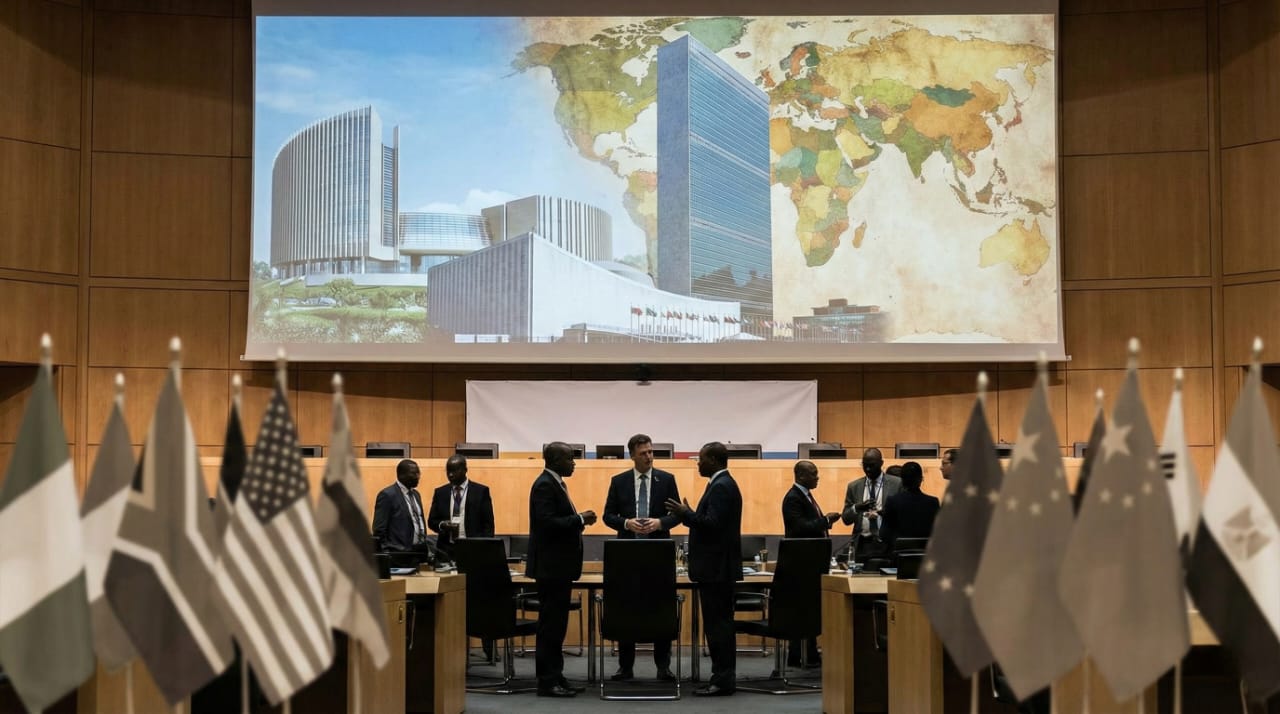
This benefits regimes that prioritize regime security over democratic accountability. The "China model"—infrastructure and non-interference—has effectively won the ideological war in much of the Global South. The West, realizing this, is attempting to pivot. The US’s newfound interest in the Lobito Corridor and critical minerals is an attempt to play catch-up, but it may be too little, too late to regain the trusted partner status it once held. Furthermore, the rise of "sovereigntist" politics means that international bodies like the UN are becoming increasingly paralyzed. When powerful nations openly flout international law, it empowers smaller nations to do the same. The result is a more dangerous world where disputes are settled by force rather than diplomacy—as tragically evidenced in Sudan and Gaza.
Conclusion
As 2026 unfolds, the comfortable certainties of the past are gone. We are entering an era of "à la carte" alliances, where nations pick and choose partners based on the issue at hand. For Africa, this presents both a danger and an opportunity. The danger lies in becoming a playground for proxy wars and unbridled resource extraction. The opportunity, however, is for African leadership to leverage this competition, demanding real technology transfer and industrialization in exchange for access.
The world is not just changing; it has changed. The question now is who will master the rules of this ruthless new game.