
The opening week of 2026 has wrapped up, revealing a global economy defined by contradiction. In the advanced economies of the North, the narrative is one of "soft landings" and cautious stabilization. Inflation has largely been tamed, but growth remains tepid. Yet, shift the focus to the African continent, and the pulse is different—faster, more volatile, and increasingly driven by internal reforms rather than external aid.
The "Great Fragmentation" that economists warned of in 2024 has arrived, but it has not resulted in the universal downturn many feared. Instead, it has created a multi-speed world where African economies are projected to outpace the global average, even as they navigate a minefield of high debt and expensive capital.
Africa: The Hard Road to Recovery
The headline numbers for Africa in early 2026 are surprisingly robust.
The Reformers and the Resilient
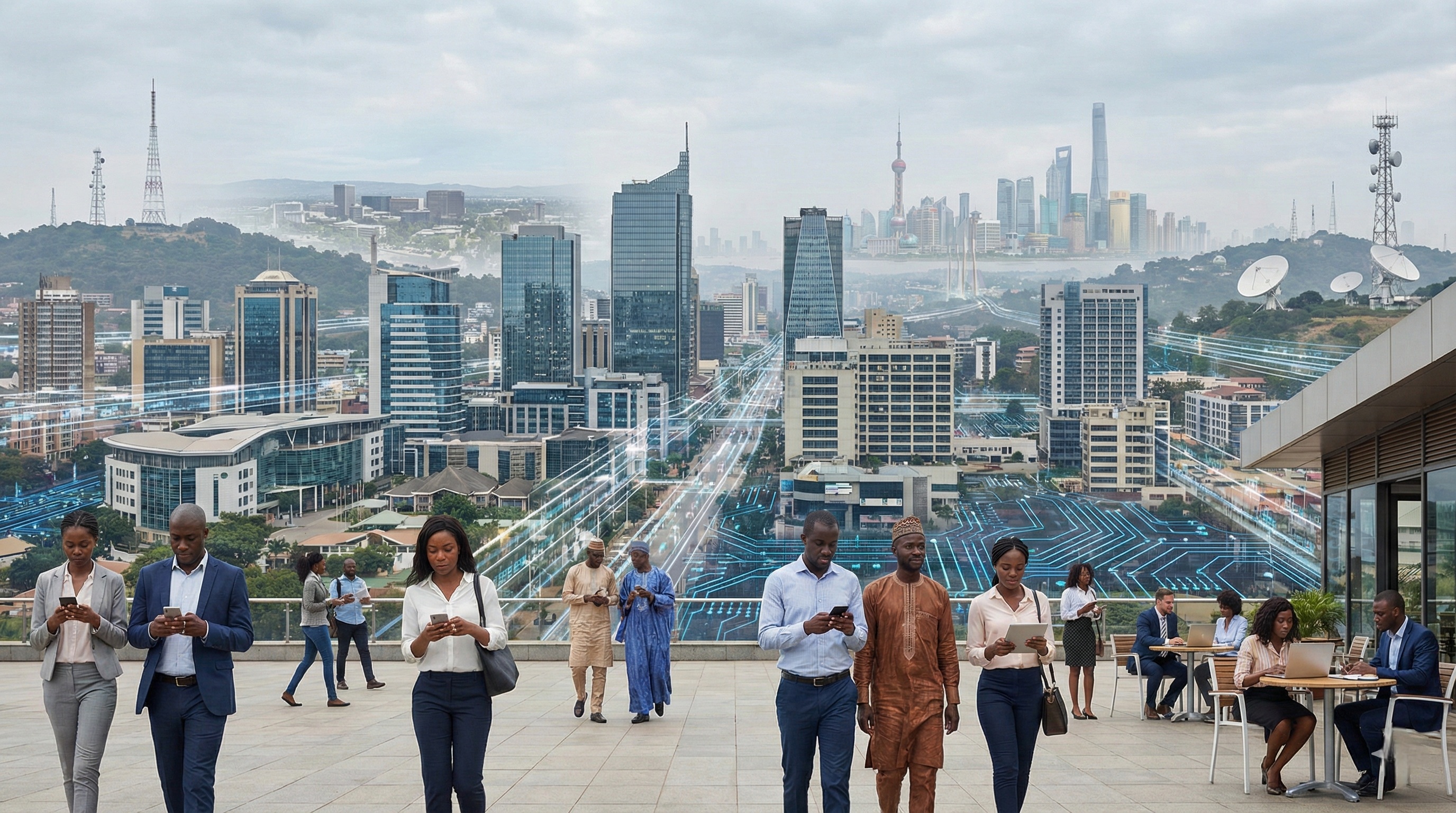
In West Africa, Nigeria has entered 2026 with a bold fiscal experiment. The implementation of new tax laws as of January 1 marks a decisive shift away from oil-dependency toward domestic resource mobilization. While the "japa" wave (emigration of talent) continues to challenge the labor market, the government’s resolve to widen the tax net while cutting corporate rates suggests a maturity in policymaking that foreign investors have long awaited. Meanwhile, South Africa is enjoying a rare moment of economic reprieve. The stability of the Government of National Unity (GNU) has strengthened the Rand, leading to substantial petrol price cuts this week. For the average consumer in Johannesburg or Cape Town, this is the first tangible "peace dividend" of the post-election political settlement.
The Resource Paradox
The growth champions of 2026, however, are largely resource-driven. Guinea and South Sudan are posting double-digit growth figures, fueled by mining and oil recovery respectively.
Trade Over Talk
Perhaps the most significant development is the quiet maturation of the African Continental Free Trade Area (AfCFTA).

Global Winds: The End of "Easy Money"
While Africa hustles, the global economy is in a holding pattern. The United States Federal Reserve has signaled that while the rate-hiking cycle is over, the era of near-zero interest rates is not coming back.
The Interest Rate Trap For African Finance Ministers, this is the headache that won't go away. The Fed’s "higher-for-longer" stance means that accessing international capital markets remains prohibitively expensive.
The Eurobond window is effectively closed for all but the most credit-worthy nations. This has forced a pivot: African governments are no longer looking to Wall Street for salvation; they are looking to their own private sectors and local currency bond markets.
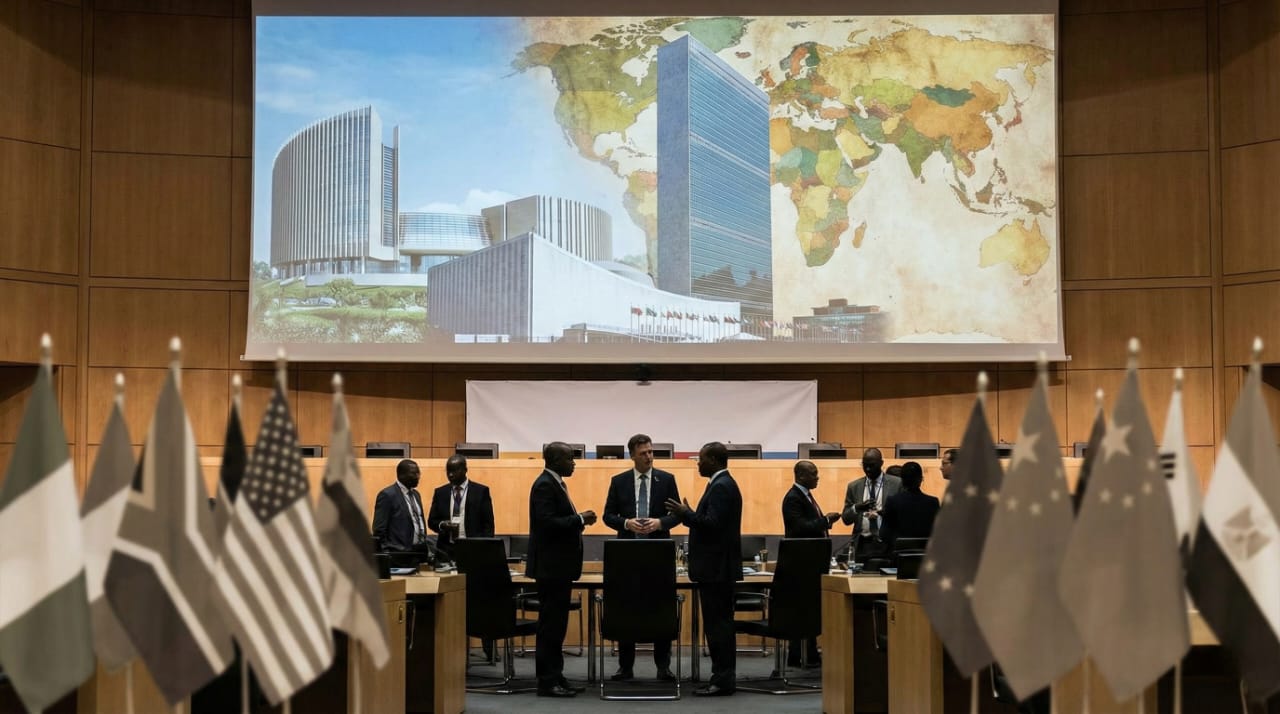
Fragmentation as the New Normal Geopolitically, the world is settling into uneasy blocs. Trade tensions between the West and China have not exploded into all-out war, but they have hardened into permanent non-tariff barriers. For Africa, this is a double-edged sword. On one hand, it complicates supply chains. On the other, it elevates the continent's strategic value. We are seeing a "bidding war" for African partnerships, not just for minerals, but for consumer markets. The smart African capitals are playing these powers against each other to secure better infrastructure deals.
Analysis: The "Adult" Phase of Economic Management
The defining theme of 2026 is agency. In previous decades, an African economic outlook was largely a reflection of commodity prices and aid flows. Today, domestic policy choices matter more than ever.
The divergence we are seeing—between a stabilizing South Africa, a reforming Nigeria, and a booming East Africa—proves that "Africa" is not a single economic entity. It is a collection of 54 distinct markets, each being rewarded or punished based on the quality of its governance.
The risks remain potent. Debt servicing costs are crowding out spending on health and education, creating a ticking time bomb for the continent's youth demographic.
Conclusion
As we look ahead, the economic story of 2026 will not be written by the IMF's spreadsheets, but by the resilience of the African SME sector and the courage of policymakers to stick to painful reforms. The global tailwinds are gone; the engines of growth must now be built at home.
The era of waiting for a global rescue is over. The era of economic self-determination has begun.